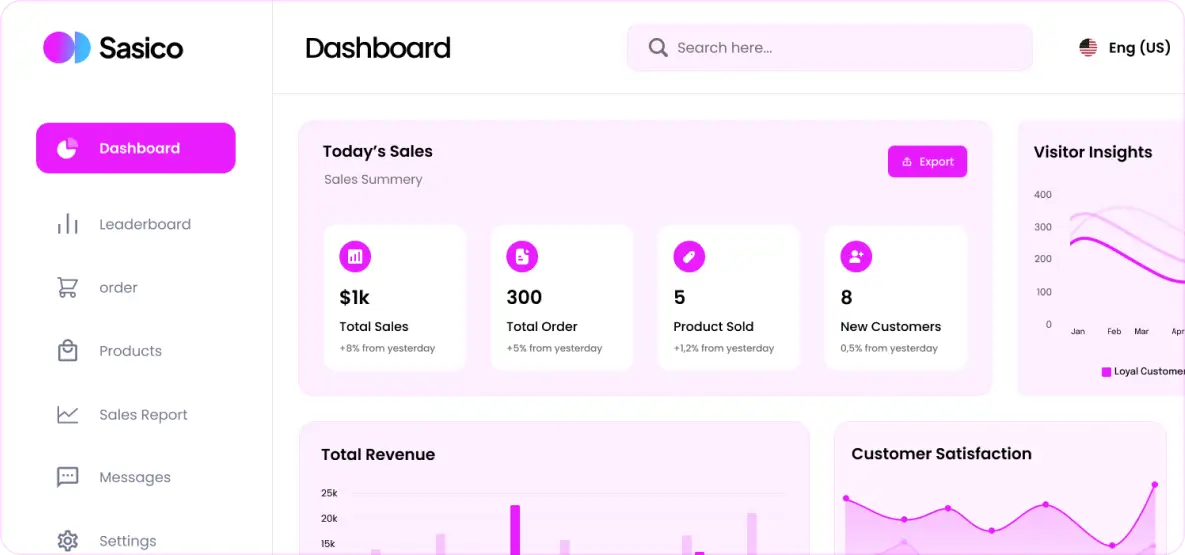
Legacy systems, siloed tools, and manual workflows slow down large organizations. Wolvestride BCOS solves this by providing a unified, AI-driven governance platform across all business functions.
Centralized AI-driven workflows across departments
Built-in policy enforcement, compliance, and audit trails
Hospitals and clinics must continuously verify that doctors, nurses, and technicians hold valid licenses, certifications, and up-to-date training records. Automated workforce credential tracking enables real-time staff eligibility verification, proactive alerts for expiring certifications, and ongoing compliance with healthcare regulations and accreditation standards. This significantly reduces manual errors, strengthens regulatory readiness, and ensures patients receive care only from qualified professionals.
Vendor & medical supplier governance
Healthcare vendors play a critical role in supplying equipment, pharmaceuticals, and services while often accessing sensitive systems or data. Vendor governance ensures suppliers meet required compliance, safety, and regulatory standards through controlled onboarding, continuous risk assessment, and periodic audits. By enforcing risk-based approvals, healthcare organizations reduce supply-chain vulnerabilities, prevent fraud, and avoid partnerships that could expose them to compliance or operational risks.
Patient operations auditability
Every patient interaction—from admission and treatment to discharge and billing—must be fully traceable. Patient operations auditability provides transparent tracking of both clinical and administrative actions, enabling rapid investigation during audits, incidents, or disputes. This level of visibility ensures alignment with healthcare regulatory bodies, improves accountability across departments, and strengthens legal defensibility.
Policy-driven access control
Healthcare data privacy demands that access to patient information be strictly regulated. Policy-driven access control enforces role-based and context-aware permissions, ensuring that PHI is accessed only by authorized personnel. Privacy regulations are automatically enforced, reducing the risk of data breaches, insider misuse, and unauthorized exposure. Access decisions are consistently governed by compliance rules and clinical necessity.
Automated document & record governance
Healthcare organizations manage vast volumes of sensitive documents, including medical records, prescriptions, insurance claims, and compliance files. Automated document governance applies predefined retention, encryption, and deletion policies while ensuring records follow regulatory lifecycles. This creates a secure, searchable, and compliant document environment that minimizes legal exposure, improves operational efficiency, and reduces administrative burden.
Manufacturing
Lorem ipsum dolor sit amet, consectetur adipiscing elit. Ut elit tellus, luctus nec ullamcorper mattis, pulvinar dapibus leo
Manufacturing operations rely on a complex network of suppliers where quality failures can halt production or damage brand trust. Supplier onboarding and quality compliance ensures vendors meet defined quality standards, certifications, and regulatory requirements before engagement. Automated checks, documentation validation, and periodic assessments help manufacturers maintain consistent product quality while reducing supplier risk and compliance gaps.
Material procurement governance workflows
Accurate and controlled procurement is essential to avoid cost overruns, shortages, and unauthorized purchases. Governance-driven procurement workflows enforce approval hierarchies, policy checks, and budget controls across material sourcing. This ensures procurement decisions align with contractual terms, quality benchmarks, and operational needs while improving traceability and accountability.
Plant workforce onboarding & safety compliance
Manufacturing plants must ensure that employees and contractors are properly trained and certified before entering operational areas. Workforce onboarding and safety compliance tracks training completion, safety certifications, and role-based access permissions. Automated enforcement reduces workplace incidents, ensures regulatory compliance, and maintains a safe production environment.
Contract and PO lifecycle control
Manufacturing contracts and purchase orders require strict oversight from creation to closure. Contract and PO lifecycle control provides end-to-end visibility into approvals, amendments, renewals, and compliance with negotiated terms. This minimizes leakage, prevents unauthorized changes, and ensures alignment between procurement, finance, and operations teams.
Operational audit readiness
Manufacturers are frequently subject to internal audits, regulatory inspections, and customer quality assessments. Operational audit readiness ensures all actions, approvals, and transactions are traceable and well-documented. With centralized audit logs and policy enforcement, organizations can respond confidently to audits while reducing disruption to production workflows.
Logistics & Supply
Lorem ipsum dolor sit amet, consectetur adipiscing elit. Ut elit tellus, luctus nec ullamcorper mattis, pulvinar dapibus leo
Logistics operations depend on multiple third-party carriers, warehouse providers, and last-mile partners. Structured onboarding and compliance governance ensures logistics partners meet regulatory, safety, insurance, and operational standards before engagement. Automated verification and periodic compliance checks reduce partner risk, prevent service disruptions, and maintain reliability across the supply chain network.
Contract/SLA governance
Freight movement generates high volumes of critical documents, including bills of lading, invoices, customs forms, and delivery proofs. Centralized freight documentation management ensures documents are accurate, version-controlled, and easily retrievable. Automated validation and retention policies reduce errors, speed up clearance processes, and support regulatory compliance across domestic and cross-border shipments.
Freight documentation management
Freight movement generates high volumes of critical documents, including bills of lading, invoices, customs forms, and delivery proofs. Centralized freight documentation management ensures documents are accurate, version-controlled, and easily retrievable. Automated validation and retention policies reduce errors, speed up clearance processes, and support regulatory compliance across domestic and cross-border shipments.
Cross-location workforce ops
Logistics workforces operate across warehouses, ports, hubs, and transportation routes. Cross-location workforce governance ensures staff and contractors meet role-specific certifications, safety requirements, and access policies across all locations. This improves operational consistency, reduces compliance risks, and enables seamless workforce mobility without compromising control.
Invoice → PO → shipment compliance
Financial accuracy in logistics requires alignment between invoices, purchase orders, and actual shipment data. Invoice-to-PO-to-shipment compliance enforces automated matching and validation across these records. This prevents overbilling, detects discrepancies early, and ensures payments are released only for compliant and verified logistics services.
Retail & DC
Lorem ipsum dolor sit amet, consectetur adipiscing elit. Ut elit tellus, luctus nec ullamcorper mattis, pulvinar dapibus leo
Retail and D2C brands operate across multiple stores, warehouses, and fulfillment points where consistency is critical. Store-level operational governance enforces standardized processes, approval controls, and policy adherence across locations. This ensures day-to-day store operations remain compliant, efficient, and aligned with brand and corporate guidelines.
Vendor performance & delivery compliance
Retail success depends heavily on vendor reliability and on-time deliveries. Vendor performance governance tracks delivery timelines, quality benchmarks, and service adherence against agreed terms. Continuous monitoring and compliance validation reduce stockouts, improve supplier accountability, and ensure smooth inventory flow across retail and D2C channels.
Automated approvals & promotions compliance
Promotions, discounts, and campaigns directly impact margins and brand trust. Automated approval workflows ensure all promotions comply with pricing policies, regulatory requirements, and internal controls before launch. This prevents unauthorized discounts, pricing errors, and compliance violations while enabling faster campaign execution.
HR onboarding & rostering workflows
Retail workforces are dynamic, with frequent hiring, seasonal staffing, and shift-based operations. Automated HR onboarding and rostering workflows ensure employees are properly verified, trained, and scheduled according to labor policies and store requirements. This improves workforce efficiency, reduces compliance risks, and supports uninterrupted store operations.
Return/claim operations governance
Returns, refunds, and claims are critical yet high-risk areas in retail and D2C. Governance over return and claim operations ensures policy-based approvals, accurate documentation, and fraud prevention controls. This protects margins, improves customer experience, and maintains transparency across post-sale operations.
IT Services
Lorem ipsum dolor sit amet, consectetur adipiscing elit. Ut elit tellus, luctus nec ullamcorper mattis, pulvinar dapibus leo
Professional and IT services organizations manage distributed teams that require secure, role-based access to systems and client environments. Employee onboarding and access governance ensures new hires are verified, trained, and provisioned with the right level of access from day one. Automated access controls reduce security risks, prevent privilege creep, and maintain compliance with internal and client security policies.
Client engagement documentation
Client-facing engagements generate critical documents such as proposals, statements of work, change requests, and delivery reports. Centralized client engagement documentation ensures version control, approval traceability, and secure access throughout the engagement lifecycle. This improves transparency, reduces disputes, and supports consistent client delivery.
Contract & delivery compliance
Service delivery is governed by contractual obligations, timelines, and quality benchmarks. Contract and delivery compliance ensures that project execution aligns with agreed terms, service levels, and regulatory requirements. Continuous tracking and policy enforcement help prevent scope creep, missed commitments, and compliance breaches while protecting revenue and client trust.
Internal approvals & project workflows
Professional services rely on structured approvals for budgets, staffing, deliverables, and change management. Automated internal approval and project workflows enforce governance without slowing execution. This provides leadership with real-time visibility into project decisions, risks, and progress while maintaining accountability across teams.
Service desk & knowledge governance
Service desks handle sensitive client issues, incidents, and operational knowledge. Governance over service desk and knowledge management ensures standardized processes, controlled access, and accurate documentation. This improves response quality, supports compliance requirements, and enables scalable, repeatable service delivery across clients.
Measurable Enterprise Transformation Outcomes
Faster, Frictionless Operations
Accelerate approvals, onboarding, vendor checks, and reconciliations by 70–90% with near real-time execution.
Compliance by Default
Policy-enforced workflows and continuous logging reduce violations and audit findings to near zero.
Unified Cross-Functional Execution
Finance, HR, IT, and Procurement operate as one connected system—eliminating silos and handoffs.
Global-Scale Visibility & Control
Real-time dashboards, multi-entity views, and localized governance enable confident global expansion.
Let’s Work Together
Transform Your Enterprise With a Next-Generation Business OS.